Rising demand in vietnam for wild animals as pets, online monitoring shows
(Hanoi) A comprehensive study by TRAFFIC uncovered 35,100 social media discussions concerning wild animals as pets across Vietnamese social media platforms between September 2023 and August 2024. While 28% of these discussions openly promoted the direct sale or purchase of wildlife, the scale of online interest underscores the demand for wild animals as pets and the role of digital platforms in facilitating the trade.
Digital wildlife crime has transformed Vietnam into a major trafficking hub with over 3,500 online violations reported in early 2024, as social media increasingly connects buyers and sellers and amplifies demand for wild animals.
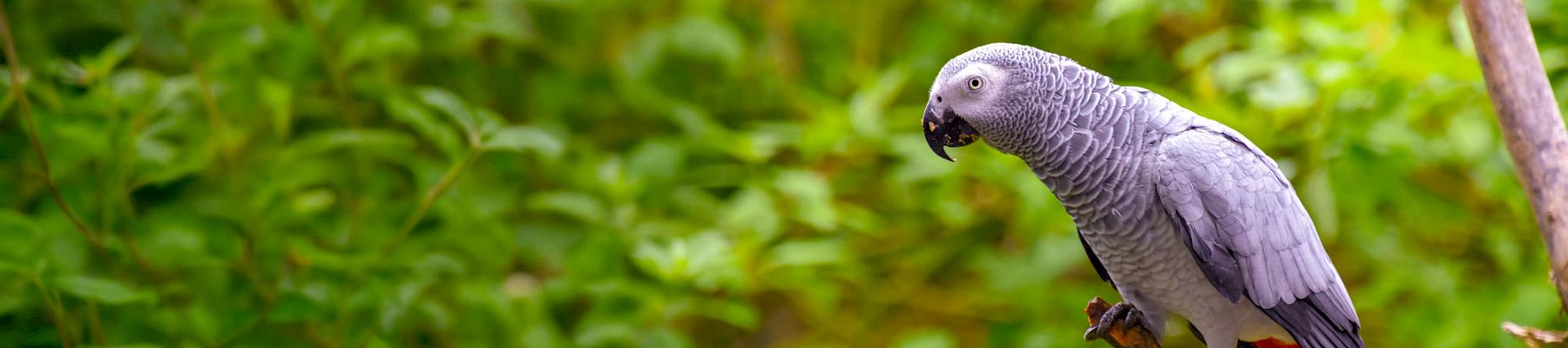
Against this backdrop, TRAFFIC conducted in-depth research into five species groups particularly vulnerable to online exploitation: tortoises and freshwater turtles, monkeys, leopard cats, African grey parrots, and otters.
An AI tool, commonly used in marketing analysis, was adapted to rapidly detect general trade patterns across platforms such as Facebook and TikTok, significantly reducing the time and resources required for manual monitoring.
As variations in conservation status, trade regulations, origin, and source were not examined, the findings reflect broad trends in online trade across the five species groups, without distinguishing between legal and illegal activity.

Key findings
The study recorded 35,100 online discussions involving tortoises and freshwater turtles (24,816 mentions), monkeys (6,008), leopard cats (2,425), African grey parrots (1,663), and otters (178). Explicit trafficking content represented 28% of total discussions (almost 10,000 posts and comments), and prices ranged from as little as USD 6 (150,000 VND) for freshwater turtles to over USD 1,000 (23 million VND) for African grey parrots, underscoring the lucrative nature of the trade and an existing demand for these animals.
Facebook data showed buyers were more active than sellers (48.1% versus 19.1% of mentions), with men dominating both groups, among identifiable profiles. Sellers were mainly based in Hanoi, while buyers were concentrated in Ho Chi Minh City, suggesting future monitoring and conservation actions could focus on urban male demographics in these two cities.
A particularly concerning finding revealed TikTok's rapid emergence as a new trading platform, accounting for 42.3% of wildlife trade activities, after Facebook (57,7 %), reflecting traders’ shift toward platforms with visual content and less stringent moderation.
Mr. Tran Van Trong, General Secretary of the Vietnam E-Commerce Association (VECOM), emphasised:
To combat the risks associated with the illegal wildlife trade in the digital age, collective action is essential. VECOM is committed to collaborating with platforms and partners like TRAFFIC to monitor online distribution channels, detect illegal activities, and protect Vietnam’s biodiversity.”
While the study faced limitations, including the inability to analyse visual content or verify transactions, the findings confirm social media as a powerful enabler of wild animal pet trade in Vietnam and provide a critical baseline to guide targeted enforcement in urban centres, further research into consumer demand, and coordinated conservation action across platforms and authorities.
Notes:
The data was collected under an agreement with the U.S. Department of State’s Bureau of Oceans and International Environmental and Scientific Affairs, Office of Conservation and Water (OES/ECW), titled “Mapping Illicit Supply Networks to Combat Nature Crimes at their Convergence.”
Findings do not reflect an official policy or position of the U.S. Department of State or the U.S. Government.
Bureau of Oceans and International Environmental and Scientific Affairs (OES)

The Bureau of Oceans and International Environmental and Scientific Affairs—often referred to as “Oceans, Environment, and Science” or simply “OES”—covers issues that reach from the vastness of space to the depths of the oceans. Created by Congress in 1973 and formally established by the Department the following year, OES works to ensure economic growth and a healthy planet go hand in hand. OES website