
Endangered Indonesian wildlife poached and trafficked to the Philippines
Indonesian wildlife in a raid and an Indonesian national in court in the Philippines is highlighting a persistent trafficking between these countries involving hundreds of wild animals over the past five years.
In June 2026, authorities uncovered 53 wild animals hidden in wooden boxes and wire-cages in a temporary holding facility and residential compound in Sarangani, a district at the southern-most tip of the Philippines.
Most of the animals were species found in Indonesia, although the haul also included Philippine-endemic species such as the Mindanao Rufous hornbill Buceros mindanensis.
An Indonesian man nabbed at the scene is awaiting trial on two charges of illegal possession and illegal transport of protected wildlife in violation of the Philippine Wildlife Resources Conservation and Protection Act.
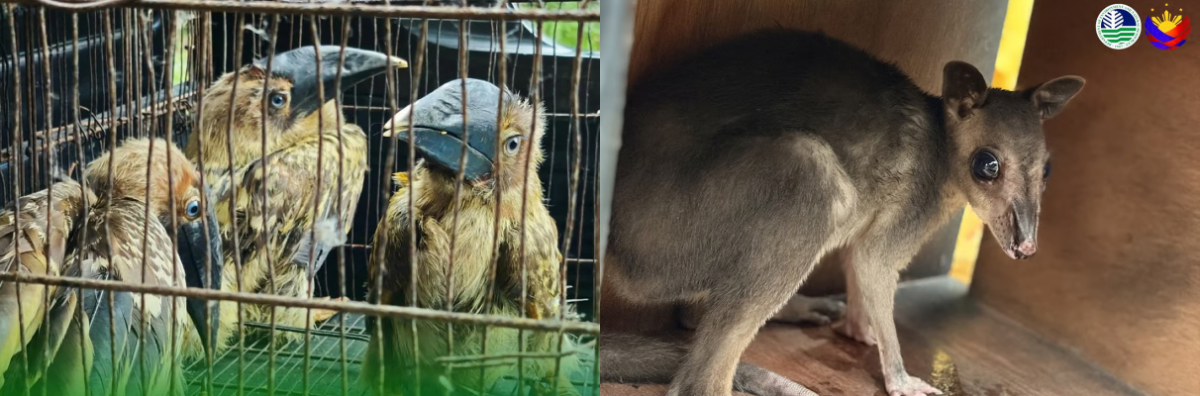
This case brings the total number of wild animals smuggled from Indonesia into the Philippines to 383 from eight cases between May 2021 and June 2026.
It’s a significant and worrying number for a short period but the problem on this route has been going on over the past 30 years with no signs of abating,”
TRAFFIC’s Project Coordinator Emerson Sy
TRAFFIC data shows most of the enforcement interceptions happened at sea. The southern Mindanao coast plays a prominent role: General Santos City of South Cotabato, the Davao region, and the Sarangani Province where the most recent seizure took place, show up repeatedly across the case records.
The trafficking is not exclusively maritime based. For example, two seizures happened at land checkpoints in General Santos City and Sarangani (December 2021 and April 2026), with the animals transported overland to destinations in Luzon after they arrive at the Philippines coast.
About half the animals seized in the eight cases were reptiles, followed by birds. At least 48 individuals from nine species are listed on Appendix I of CITES*, which provides the strictest trade regulation and highest protection from international trafficking for endangered species. A further 268 individuals from 29 species are CITES Appendix II-listed, where international trade is regulated by permits.
TRAFFIC data also shows that at least 24 people have been arrested in related seizures. Where nationality could be confirmed, those arrested were either Philippine or Indonesian nationals.
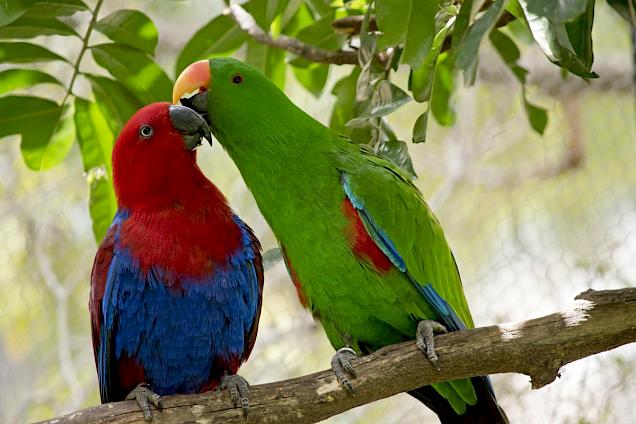
One case in November 2024 featured both Indonesians and Filipinos indicating a level of coordination in these smuggling incidents. Local community officials were alerted to this smuggling attempt after noticing the boat stranded in waters off Davao Oriental. In it they found 95 animals native to Indonesia including an Appendix I-listed Moluccan cockatoo.
Similar routes, vessel type, entry points, involvement of both nationals and a recurring case of protected species all point to an operation consistency that is hard to ignore”
These suggest an established smuggling corridor and not just a series of isolated cases. It makes the case for a more focused attention and joint action in both countries,”
TRAFFIC’s Project Coordinator Emerson Sy
Notes:
CITES: The Convention on International Trade in Endangered Species of Wild Fauna and Flora