Charting a new future for Sustainable Trade in CITES protected Himalayan Medicinal Plants
A critical new strategy is now in development for the Himalayas, as leading global experts convened in Chongqing, China, to confront the escalating crisis facing the region's medicinal and aromatic plants (MAPs). These plants, vital for both global biodiversity and local communities, are being depleted by overharvesting and illegal trade, threatening fragile ecosystems and rural economies alike.
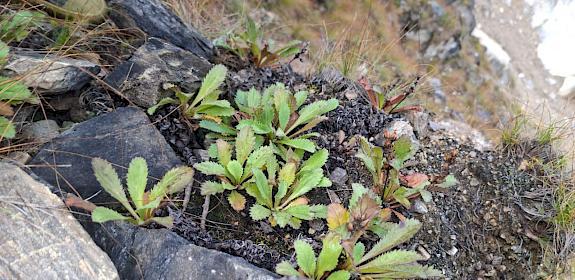
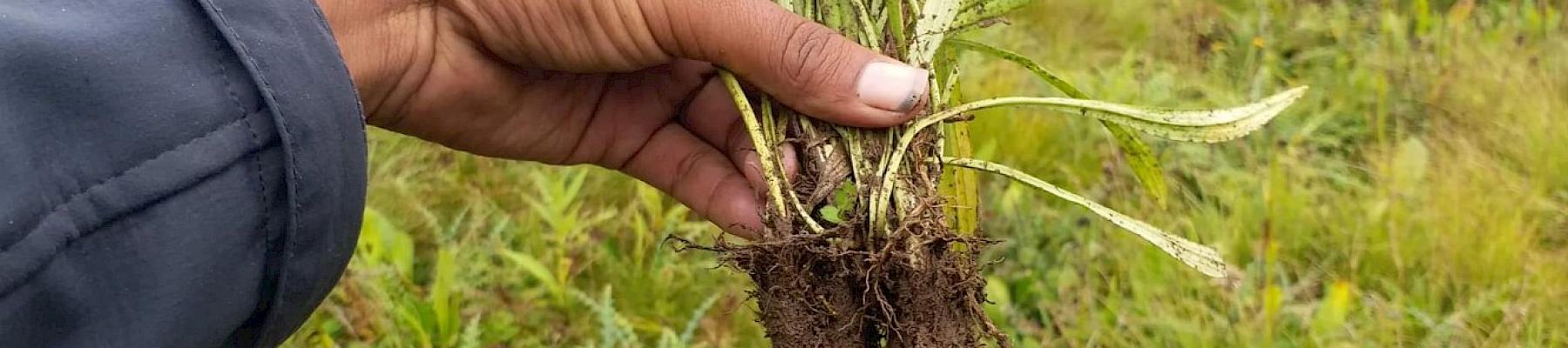
 The ancient forests and high rangelands of the Himalayas are more than just stunning landscapes; they are home to a wealth of unique medicinal and aromatic plants (MAPs). These plants are not only vital for global biodiversity but also provide a critical source of income for the rural communities. However, their future is threatened by overharvesting, climate change, and illegal trade, affecting both fragile ecosystems and local livelihoods.
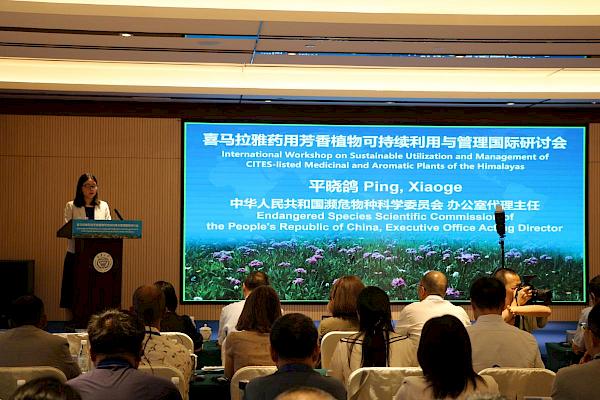
Tackling this complex challenge requires a unified front, which is why the recent International Workshop on Sustainable Utilization and Management of CITES-listed Medicinal and Aromatic Plants of the Himalayas in Chongqing, China brought together more than 50 experts from over 10 countries to address the sustainable use of these invaluable resources.
Co-hosted by Chongqing University, the Endangered Species Scientific Commission of the People’s Republic of China, and TRAFFIC, the event was an opportunity to set a clear direction for the future. As Mr. Wan Ziming, Deputy Director General of Wildlife Conservation Department, National Forestry and Grassland Administration explained
China attaches great importance to the conservation and sustainable management of CITES‑listed medicinal and aromatic plants. This gathering is an opportunity to deepen regional cooperation, exchange practical expertise, and support community‑based approaches that balance ecological protection with economic development. Together, we can ensure these valuable resources continue to benefit both people and nature.”
The workshop concluded with a powerful set of recommendations designed to turn the discussions into action. These proposals are particularly important as they will contribute to key discussions on medicinal and aromatic plants at the upcoming 20th Meeting of the Conference of the Parties to CITES (CoP20) in November 2025.
Here are the key recommendations that came out of the workshop:
1. Building Bridges:
Recognising that the Himalayas are a shared ecosystem, participants stressed the need for collaboration. Recommendations include creating a regional multi-stakeholder forum and a dedicated Himalayan MAPs Regional Working Group under CITES to harmonise implementation and share data across borders.
"The Himalayas connect us ecologically and culturally. This workshop has shown that collaboration across borders – including on best practices in academic and applied research - is not just possible—it’s essential." Mr. Liu Guiwen, Vice President, Chongqing University
2. Science and Local Knowledge
Workshop participants recommended continued exchange and alignment on best practice for CITES non-detriment finding (NDF) methodologies, and investment into resource inventories of key species. Harvesters’ local knowledge should also be drawn upon to understand the status of wild plant populations.
Dr. Ping Xiaoge, Executive Office of Endangered Species Scientific Commission of the People’s Republic of China "This workshop has laid the groundwork for shared regional perspectives on Himalayan MAPs at CITES CoP20, and technical exchange on the management challenges we face. We must ensure that conservation and trade policies reflect both science and the lived realities of local communities."
2. Smart Solutions for a Transparent Trade:
To combat illegal trade, the workshop called for a major investment in technology and innovation. Experts recommended that countries like China, India, and Nepal scale up strengthened traceability systems for key species. These systems would integrate the latest technologies with community monitoring to ensure supply chains are transparent from the harvesters to the end consumer.
3. Preserving Tradition, Empowering Communities:
The workshop acknowledged that sustainable management must start at the source by embedding indigenous knowledge and practices into management plans and empowering local communities as co-managers.
Dr. Sanjeev Kumar Rai, Department of Forest and Soil Conservation, Ministry of Forests and Environment (MoFE), Nepal:
For Nepal, implementing CITES obligations for medicinal and aromatic plants is more than a legal commitment — it is a step toward sustainable trade that benefits both biodiversity and rural economies. Collaboration across borders ensures that conservation outcomes are measurable, enforceable, and enduring.”
Looking ahead, the workshop's outcomes are perfectly aligned with the theme for World Wildlife Day 2026: "Medicinal and Aromatic Plants: Conserving Health, Heritage and Livelihoods". This global event will provide an opportunity to raise public awareness and bring these issues to the forefront of the global conversation.
"With World Wildlife Day 2026 focusing on medicinal and aromatic plants, the global spotlight is shifting. This is our moment to elevate sustainable practices and ensure that wild-harvested MAPs are protected and respected, in particular in places such as the Himalayan range". Anastasiya Timoshyna, SHIFT Project Leader and Programme Office Director, Europe (TRAFFIC)
The conversation is also set to continue at the next Himalayan MAPs Sustainability Forum, planned to be held in Kathmandu in 2026.
Read the full recommendations here.
Notes:
This workshop was supported in part by the UK Government through Darwin Initiative, under the project Scaling conservation of Himalayan plants and fungi through sustainable trade (SHIFT).
About the Darwin Initiative
The Darwin Initiative is a UK government programme with a focus on biodiversity projects.
Convention on International Trade in Endangered Species of Wild Fauna and Flora (CITES)

The Convention on International Trade in Endangered Species of Wild Fauna and Flora (CITES) was signed on 3 March 1973 and entered into force on 1 July 1975. With 185 Parties (184 countries + the European Union), it remains one of the world's most powerful tools for wildlife conservation through the regulation of international trade in over 41,000 species of wild animals and plants. CITES-listed species are used by people around the world in their daily lives for food, health care, furniture, housing, tourist souvenirs, cosmetics or fashion. CITES seeks to ensure that international trade in such species is sustainable, legal and traceable and contributes to both the livelihoods of the communities that live closest to them and to national economies for a healthy planet and the prosperity of the people in support of the UN Sustainable Development Goals. Find out more here.