
China’s Champions of Change II: Addressing Demand for Illegal Wildlife Products
China and Europe are at the heart of one of the world's most lucrative and damaging black markets — the illegal trade in endangered wildlife. From shark fins served at weddings, to eels smuggled across continents, and rosewood carved into luxury furniture — this multi-billion-dollar trade is pushing species and ecosystems closer to collapse.
To turn the tide, TRAFFIC and the European Union have launched China’s Champions of Change II, a three-year initiative that combines smarter law enforcement, tighter policy alignment, and powerful social behaviour change approaches to reduce illegal demand.
Why it matters

Shark fins still spell status
Although demand is shifting, shark fins are still widely used in traditional dishes. Unsustainable trade is driving overfishing and species decline in most shark species groups. The key to curbing this is better understanding the trade and consumption of shark fins in China and changing consumer behaviour.
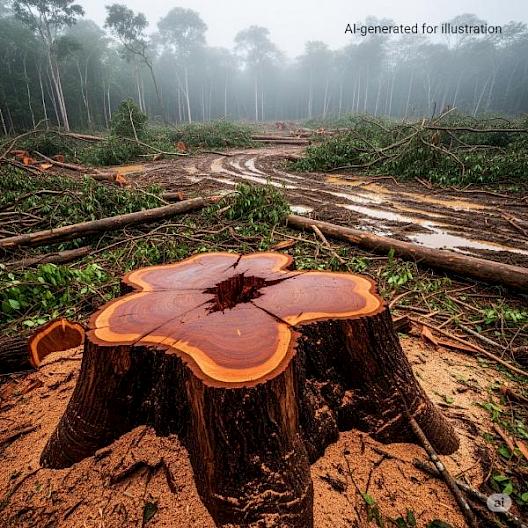
Rosewood is vanishing
China is the world’s largest rosewood consumer. In a 2019 TRAFFIC survey, around one in three Chinese respondents said they had purchased rosewood. Used in furniture and carvings as a symbol of wealth and tradition, its demand is devastating tropical forests. New EU regulations mean traders will now need to meet sustainability standards — and this project is helping drive that transition.

Eels are trafficked by the ton
European glass eels — the transparent juvenile stage of the European eel (Anguilla anguilla) — are among the world’s most illegally trafficked animals, generating up to €3 billion in peak years. Smuggled to Asia for aquaculture, their overexploitation is draining wild populations to supply the international market.

“China’s role as the world’s largest rosewood consumer makes its market transformation absolutely critical to global conservation efforts.”
— Chen Hin Keong, Senior Advisor on Forest Governance and Trade, TRAFFIC
What China’s Champions of Change II does
Building on Phase I (2018–2021), the second phase of Champions of Change focuses on:
Changing Behaviour
We use evidence-based Social and Behavioural Change strategies to shift behaviours and reduce demand. That includes designing campaigns, engaging industry influencers, and delivering targeted messages to traders and consumers of rosewood, eels, and shark fins.
“Through Social and Behavioural Change approaches, we design evidence-based interventions to shift human behaviour, reducing demand for illegal wildlife products among consumers, traders, and industries.”
— Gayle Burgess, Behaviour Change Programme Leader, TRAFFIC

Aligning policy between the EU and China
We are researching market trends and illegal trade for rosewood and European eels in both regions to find gaps and opportunities for alignment. The goal: to strengthen joint action and prevent traffickers from exploiting loopholes.

Strengthening Enforcement
We’re building capacity through:
Joint EU–China law enforcement workshops
Information-sharing frameworks
Identification guides (including DNA protocols)
Training Chinese Customs officers to improve inspections and follow the money.

Why TRAFFIC and the EU?
As the world’s largest rosewood consumer, and a top destination for glass eels and shark fin, China plays a pivotal role in global wildlife markets. The EU, as a major trader and policy powerhouse, has the leverage to drive sustainability and accountability.
“This initiative supports stronger law enforcement, policy alignment and the EU Action Plan against Wildlife Trafficking.”
Laurent Bardon, Head of Green Transition Section, EU Delegation to China
What's next?
Running until February 2028, China’s Champions of Change II will deliver:
New insights into market dynamics, policy gaps, consumer behaviours
Improved compliance with the EU Deforestation Regulation (EUDR)
Stronger legal and institutional frameworks between China and the EU
New tools, training and resources to fight wildlife crime on the ground
As global attention turns to events like CITES CoP20, this project creates a critical platform for action and advocacy — helping shift markets away from illegal trade and towards legal, sustainable alternatives.

Notes
This communication has been produced with the financial assistance of the European Union. The contents are the sole responsibility of TRAFFIC and do not necessarily reflect the views of the European Union.
Explore more: