Leading experts convene in Guangzhou to discuss wildlife conservation, sustainable use and development
Stakeholders representing industry, government and academia convened in Guangzhou for a cross-sector capacity-building exchange event, followed by thematic forums addressing the Pet Bird Industry and Medicinal Fauna and Flora.
Guangzhou, China |20 May 2026
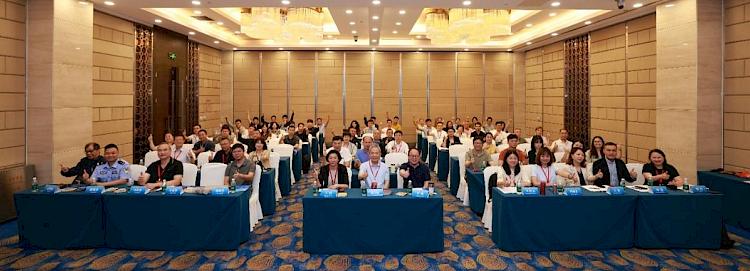
Representatives from industry, government, research institutions and academia came together in Guangzhou, China for a series of events held on the 20th May 2026, centred around the second Capacity Building Exchange Event on Wildlife Resource Conservation and sustainable Industry development.
Building on this core event, two thematic forums were held to facilitate more targeted discussions across sectors:
- An Exchange Event on Compliance and the Sustainable Development of the Pet Bird Industry
- A Forum on the Sustainable Use of Medicinal Fauna and Flora Resources, Industry Compliance and Regional Co-operation.
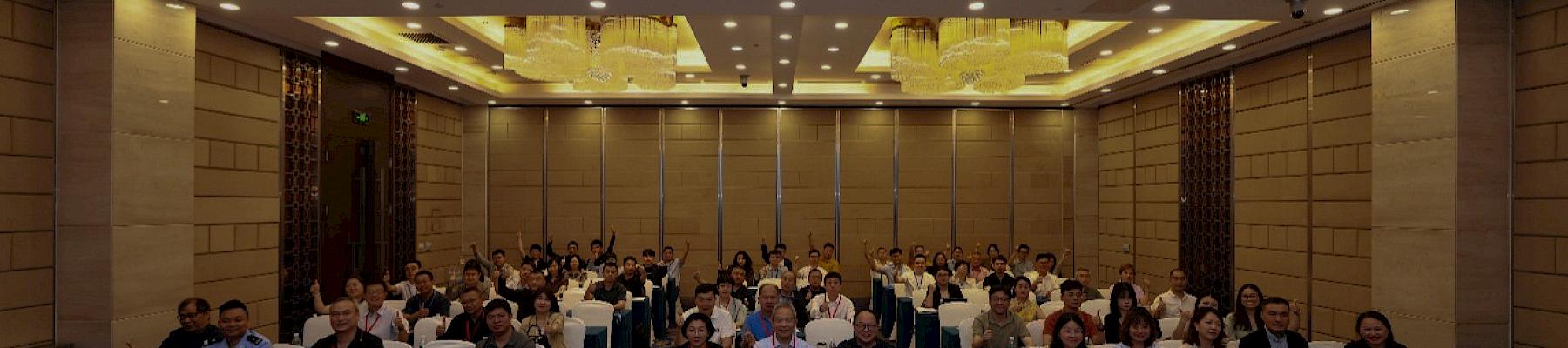
Nearly 150 representatives attended the core Capacity-building Exchange Event on Wildlife Resource Conservation and Sustainable Industry Development. Discussions focused on key developments following CITES CoP20, trends in illegal wildlife trade and their implications for China, and emerging challenges and opportunities for sustainable industry development across sectors, including aquatic product supply chains and traditional Chinese medicine.

Our work focuses on reducing illegal and unsustainable wildlife trade, while promoting trade that is both legal and sustainable. By working across governments, industry and the wider supply chain, we aim to find practical solutions that align species conservation with responsible industry development.”
Xu Ling, programme office director, TRAFFIC China
Key takeaways:
Through promoting sustainable breeding practices, strengthening compliance, and supporting responsible trade, stakeholders aim to contribute to biodiversity conservation and sustainable industry development, including for CITES-listed aquatic species, while supporting China’s vision of harmonious coexistence between people and nature. Looking ahead, stakeholders will continue to strengthen international collaboration, improve industry standards, and enhance traceability and certification systems.
Compliance and Sustainable Development of the Pet Bird Industry
Following the main capacity-building session, more than 60 representatives from government authorities, research institutions, social organizations, and industry across Guangdong Province participated in a thematic exchange on Compliance and Sustainable Development of the Pet Bird Industry.
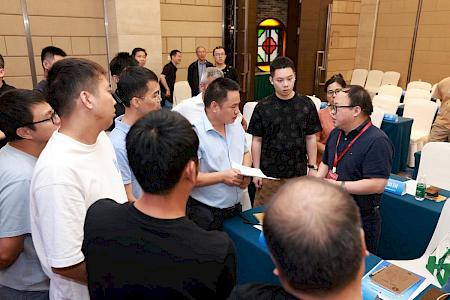
The rapid growth of the pet economy has created important opportunities for the industry. It is therefore essential to promote a legal, traceable and sustainable pet market, and to work together to deliver local action with global impact for biodiversity conservation.”
Dr. Yin Feng, Chief Engineer of CWCA
Discussions focused on policy and regulatory frameworks, enforcement practices, market dynamics and public awareness.
Participants shared perspectives on promoting a more regulated and sustainable development pathway for the pet bird and broader wildlife pet sectors.
Medicinal Fauna and Flora
In parallel thematic discussions following the main session, the Forum on the Sustainable Use of Medicinal Fauna and Flora Resources, Industry Compliance and Regional Co-operation discussions focused on updated regulatory requirements following CITES CoP20 and pathways for the sustainable development of the traditional Chinese medicine (TCM) industry
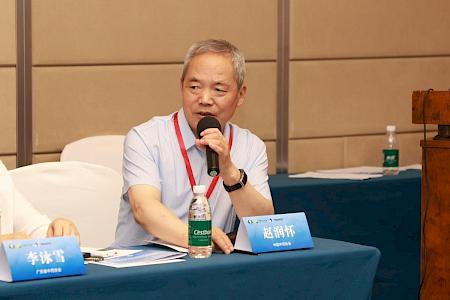
The development of traditional Chinese medicine depends on a strong resource base. We must ensure the conservation of medicinal wildlife resources while promoting their scientifically managed, sustainable use. By strengthening traceability, advancing research into alternatives, and improving the evidence base, we can better balance conservation with sustainable development.”
Zhao Runhuai, Deputy Secretary-General, CATCM
The forum provided a platform for cross-sector dialogue on aligning evolving regulatory requirements with sustainable industry development priorities.
This event was co-funded by the European Union through the China’s Champions of Change Phase II project and the EU-funded GUARD Wildlife project implemented in partnership with the United Nations Office on Drugs and Crime (UNODC), as well as by the UK Government through the Illegal Wildlife Trade Challenge Fund and the Darwin Initiative.
The European Union is an economic and political union of 27 European countries. It is founded on the values of respect for human dignity, freedom, democracy, equality, the rule of law and respect for human rights, including the rights of persons belonging to minorities. The EU is globally well-placed to lead the fight against wildlife trafficking. The EU and Member States’ diplomatic networks have been mobilized, actively engaging in bilateral and regional dialogues. Since 2016 EU has provided substantial funding for capacity building and international action against wildlife trafficking.
The Illegal Wildlife Trade Challenge Fund is a UK government grants scheme supporting projects around the world that tackle illegal wildlife trade.
The Darwin Initiative is a UK government programme focused on biodiversity conservation.
Additional Notes:
- The Wildlife Resource Conservation and Sustainable Industry Development exchange event was jointly organized by the China Wildlife Conservation Association (CWCA), the China Aquatic Products Processing and Marketing Alliance (CAPPMA), the China Association of Traditional Chinese Medicine (CATCM), and TRAFFIC China.
About UNODC

The UNODC Global Programme for Combating Wildlife and Forest Crime is a multi-year programme aiming to link existing regional efforts in a global system, enhancing capacity-building and wildlife law enforcement networks at regional and sub-regional levels. The Global Programme is working for and with the wildlife law enforcement community to ensure that wildlife crime, illegal logging, and related crimes are treated as serious transnational organized crimes. UNODC contributed to this event as part of the law enforcement and demand management of wildlife in Asia project financed by the European Union.
About the EU

About the Darwin Initiative
The Darwin Initiative is a UK government programme with a focus on biodiversity projects.
About UK International Development
About CWCA (China Wildlife Conservation Association)

CWCA is a wildlife conservation organization that has the most extensive representativeness in China. It is devoted to promoting the cause of wildlife conservation in China and to conserving and rescuing rare and endangered species. By the end of 2012, CWCA has developed 774 organization members s at all levels, with more than 0.35 million individual members. (http://www.cwca.org.cn).
About China Association of Traditional Chinese Medicine (CATCM)
The China Association of Traditional Chinese Medicine (CATCM), founded in December 2000, is a non-profit organisation made up of TCM companies, research units, universities, and individuals. With 500 enterprise members and over 70 branches, CATCM prioritises the conservation of wild species and ecological balance. The association advocates for sustainable TCM development, promoting the use of artificial breeding and cultivation to protect wild resources from illegal exploitation. CATCM guides the TCM industry toward eco-friendly practices, balancing resource use with biodiversity preservation to ensure the long-term availability of medicinal resources.
About TRAFFIC

TRAFFIC is a leading non-governmental organisation working to ensure that trade in wild species is legal and sustainable, for the benefit of the planet and people.