New films highlight sustainable harvesting success stories
Geneva, 24 July 2026 — Nature's pharmacy often hides in plain sight. From ingredients used in traditional medicines, cosmetics and religious practices to fragrances, teas and health products found on store shelves around the world, medicinal and aromatic plants (MAPs) are woven into everyday life. These botanical resources support global healthcare, traditional knowledge and cultural heritage, while providing essential income for the rural communities that steward them. Through collaboration among harvesters, local authorities, national authorities, scientists, and other stakeholders, MAPs can be harvested and traded legally, sustainably, and traceably, ensuring their conservation and long-term survival in the wild.
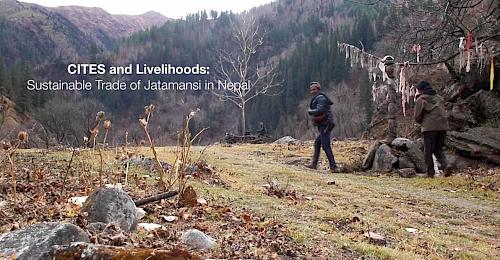 | 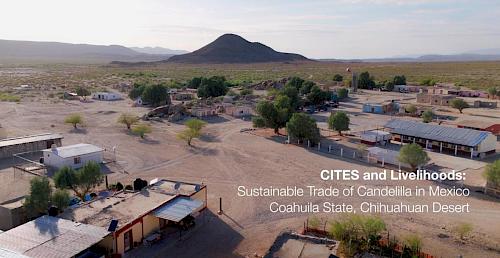 |
| CITES and Livelihoods: Sustainable Trade of Jatamansi in Nepal | CITES and Livelihoods: Sustainable Trade of Candelilla in Mexico |
On 20 July, the Secretariat of the Convention on International Trade in Endangered Species of Wild Fauna and Flora (CITES) premiered two short films on sustainable trade in medicinal and aromatic plants (MAPs), filmed and produced by TRAFFIC in partnership with CITES, at an event held at the 28th meeting of the CITES Plants Committee (PC28) in Geneva, Switzerland.
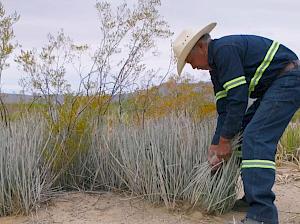
Part of the CITES and Livelihoods initiative, the films showcase community-based conservation and trade in Jatamansi (Nardostachys jatamansi) in Nepal and Candelilla (Euphorbia antisyphilitica) in Mexico. Through the experiences of local communities, harvesters and national and local authorities, they demonstrate how sustainable, legal and traceable trade can generate income for the local communities while creating incentives to conserve species and their habitats.
Medicinal and aromatic plants occupy a unique place in our lives. They heal, nourish, comfort, and inspire. They connect ancient wisdom with modern science, rural livelihoods with global markets, and wildlife conservation with human health. Across the world, billions of people rely on them for medicine, cultural practices, and economic opportunity. Together, we have the opportunity to ensure that these remarkable plants continue to heal, inspire, and sustain life for generations to come.”
Ivonne Higuero, CITES Secretary-General
These case studies - through the voices of collectors - demonstrate the complexity of ensuring the sustainability of harvest, management and trade in MAPs with benefits to all, and the diversity of approaches that offer pathways for long-term sustainability for species and people. We look forward to further supporting Parties with delivering effective interventions for sustainable trade in MAPs, and ensuring this critical trade receives continued attention.”
Anastasiya Timoshyna, TRAFFIC Director of the European Programme Office and Co-Chair of the IUCN SSC Medicinal Plant Specialist Group
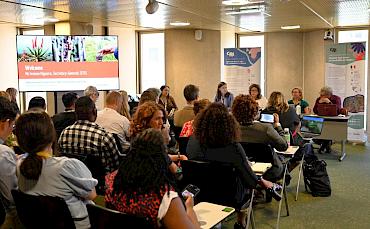
PC28 Side Event on the Conservation and Trade in Medicinal and Aromatic Plants © CITES Secretariat
The film launch formed part of a broader discussion on the conservation and trade of medicinal and aromatic plants, which served as the official theme of United Nations World Wildlife Day 2026.
Paola Mosig Reidl, Co-Lead of Data, Research, and Enforcement Support at TRAFFIC, presented findings from the recent CITES MAPs in trade report prepared by TRAFFIC and Royal Botanic Gardens, Kew in collaboration with the CITES Secretariat, which indicated that approximately 1,600 of the more than 33,000 plant species listed in the CITES Appendices are used as medicinal and aromatic plants. Around half of these MAPs have been reported in international trade, with only around 5 per cent likely traded specifically for medicinal and aromatic end uses, despite their significant contribution to the livelihoods and well-being of rural communities worldwide.
The third film in the three-part series on MAPs is scheduled for release in November 2026 at the 81st meeting of the CITES Standing Committee (SC81) in Geneva, Switzerland. This film will tell the story of sustainable trade in Cape aloe (Aloe ferox) in South Africa.
Convention on International Trade in Endangered Species of Wild Fauna and Flora (CITES)

The Convention on International Trade in Endangered Species of Wild Fauna and Flora (CITES) was signed on 3 March 1973 and entered into force on 1 July 1975. With 185 Parties (184 countries + the European Union), it remains one of the world's most powerful tools for wildlife conservation through the regulation of international trade in over 41,000 species of wild animals and plants. CITES-listed species are used by people around the world in their daily lives for food, health care, furniture, housing, tourist souvenirs, cosmetics or fashion. CITES seeks to ensure that international trade in such species is sustainable, legal and traceable and contributes to both the livelihoods of the communities that live closest to them and to national economies for a healthy planet and the prosperity of the people in support of the UN Sustainable Development Goals. Find out more here.