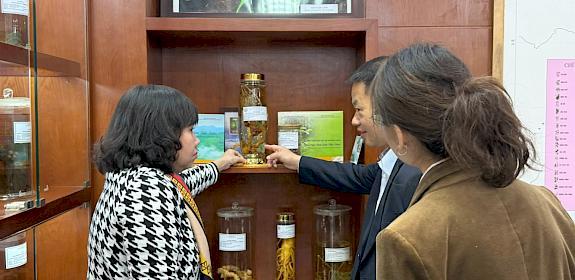
Building vigilance and capacity at Malaysia’s Main Maritime Gateway
Long familiar with seizures of pangolin scales, elephant ivory and other wildlife contraband smuggled via sea, Malaysia is now helping frontliners at one of the world’s busiest container ports boost their capacity to detect and curb wildlife trafficking.
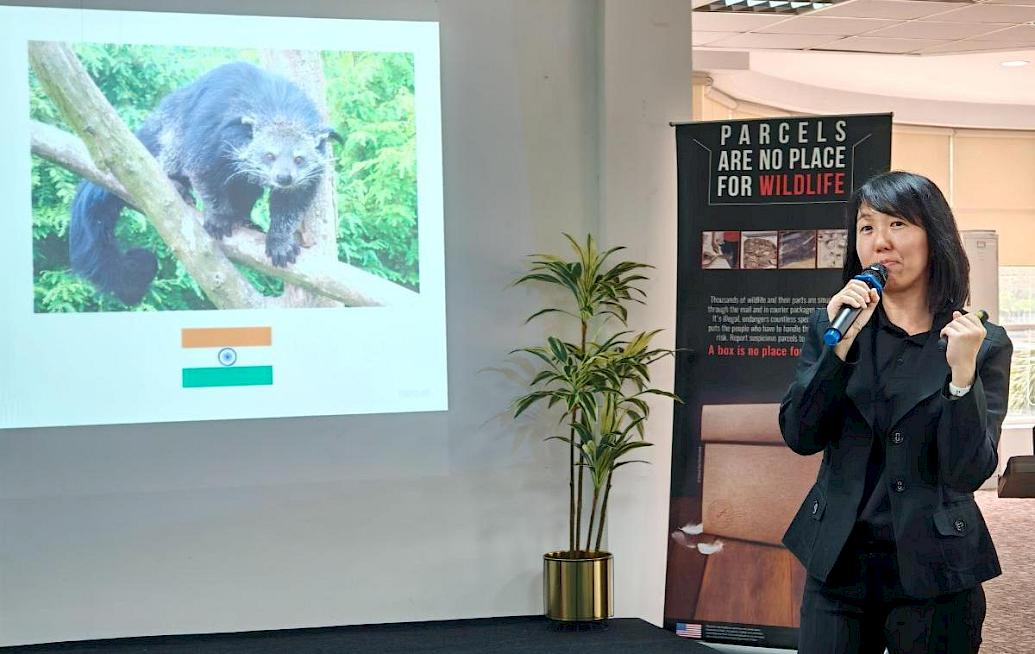
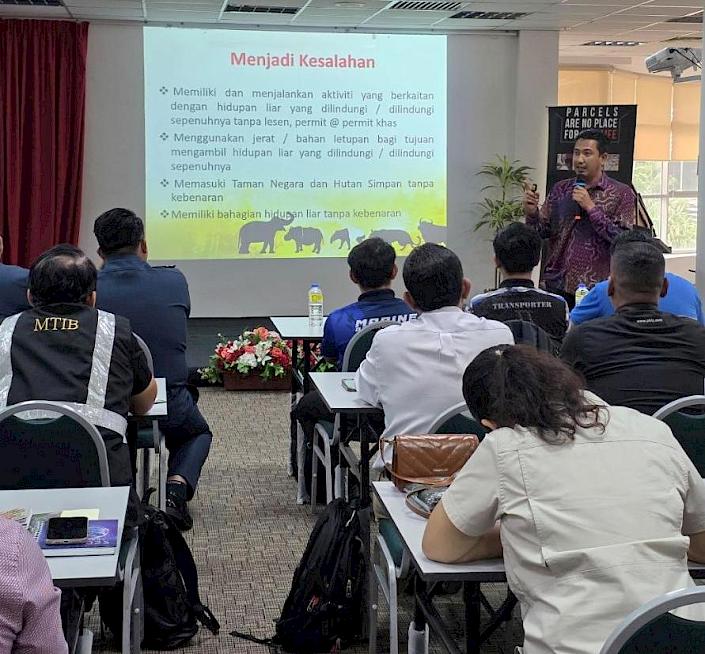
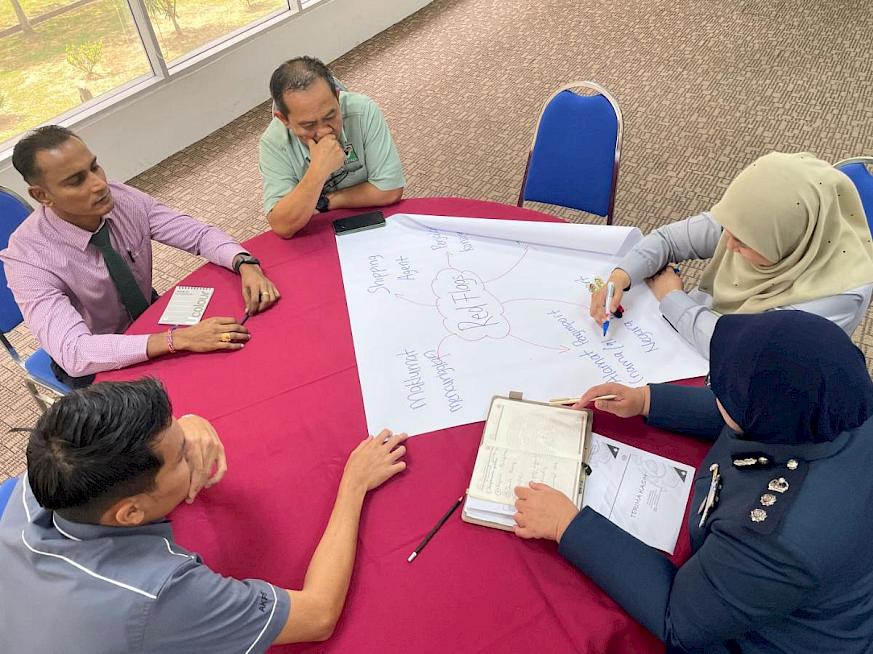 From studying trafficking tactics and laws to reviewing trends from past seizures, over 30 enforcement, regulatory and shipping personnel at Port Klang recently joined a workshop to strengthen efforts against wildlife smuggling through Malaysian seaports.
Participants spent time identifying a range of red flag indicators commonly encountered in containerised cargo and those more specific to Malaysia, that could boost detection of suspicious shipments.
Participants also clarified protocols for reporting wildlife smuggling, jurisdiction and follow-up action as well as avenues for collaboration.
The day-long session was jointly organised by TRAFFIC, the Ministry of Natural Resources and Environmental Sustainability (NRES), Port Klang Authority, and Port Klang Free Zone.
Malaysia’s seaports are on the very frontline of the fight against wildlife trafficking. Strengthening the capacity of enforcement officers at these critical points and connecting with shipping personnel can hopefully close gaps and make a real difference in disrupting smuggling networks,”
said TRAFFIC’s Southeast Asia Director, Kanitha Krishnasamy.


Malaysia’s maritime gateways are vital to global trade and are equally critical in combating wildlife trafficking. The Ministry of Natural Resources and Environmental Sustainability (NRES) remains committed to supporting efforts that enhance detection capabilities, strengthen inter-agency coordination, and improve information-sharing among port authorities and stakeholders,”
the Ministry of Natural Resources and Environmental Sustainability said.
“Through capacity-building initiatives and strategic partnerships, NRES seeks to reinforce Malaysia’s commitment to safeguarding biodiversity and curbing the illegal wildlife trade across all modes of transport,” the Ministry added.
Just last month, leading maritime industry publication Lloyd’s List ranked Port Klang among the world’s Top 10 Ports for the first time. Combined with 15th placed Port of Tanjung Pelepas, this ranking positions Malaysia as the world’s fifth largest in terms of total container handling in 2024, underlining its strategic trade role.
But major wildlife seizures at the port over the past decade also highlight how attractive maritime routes are to smugglers, and the port’s role in the global illegal trade chain.
TRAFFIC data shows that were at least 56 sea trafficking incidents involving Malaysia as origin, transit or destination between January 2014 and August 2025. These illicit shipments in containers carried almost 30 tonnes of wildlife parts and products as well as close to 60,000 individual plants and about 1,200 tonnes of plants, largely timber.
We acknowledge wildlife trafficking is a problem so it’s encouraging to sit at the same table with other regulatory and enforcement bodies to work out a collaborative approach. We’re glad to be part of the solution to keep illegal wildlife trade out of Malaysia,”
said Mala Chellayah, Assistant Executive of the Free Zone Division, Port Klang Authority. This initiative, part of the CATALYSE* Project, mirrors similar efforts with the aviation sector, reinforcing Malaysia’s commitment to disrupting trafficking routes on land, air, and sea.
Notes:
*CATALYSE (Catalysing Action in Malaysia to Strengthen Enforcement) is funded by the United States Department of State, Bureau of International Narcotics and Law Enforcement Affairs (INL).