CITES Study Reveals Inconsistent Reporting of Shark and Ray Trade
Inconsistent reporting of shark and ray trade data causes problems for conservation efforts of these vulnerable species, according to a new study.
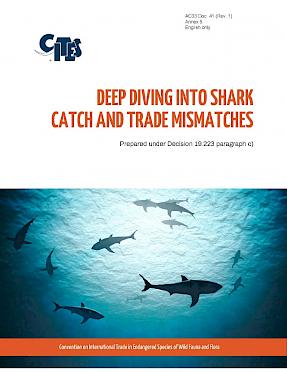 This review, commissioned by the CITES Secretariat with funding from the EU, builds upon previous work published by TRAFFIC and saw TRAFFIC partner with the CITES Secretariat and Deakin University to undertake the current review.
It comes at a crucial time as over 24% of all shark and ray species are currently threatened with extinction. The report highlights the challenges faced in conserving these vital ocean predators and emphasises the importance of improving the accuracy and comparability of shark and ray trade data, ultimately leading to more effective conservation strategies for these species.
The study found that different countries and organisations use varying units of measurement, leading to discrepancies in reported data. It also identified a lack of clarity on reporting requirements for certain types of catches and inconsistencies in how catches from different territories are reported.
One of the most concerning findings is the widespread underreporting of CITES-listed shark and ray species. This underreporting could be due to a lack of awareness or understanding of reporting obligations, or non-compliance.
Taiwan, a Province of China, is a major player in high-seas fishing and was identified as a significant source of unreported trade, as it does not report to CITES despite reporting to some regional fisheries bodies. This lack of transparency hinders efforts to monitor and regulate the trade effectively.
To address these issues, the study recommends:
- all parties should report trade data in weight rather than number of specimens
- adopting traceability systems,
- addressing discrepancies in existing databases
- developing clearer guidance on reporting requirements
- reminding parties of their obligation to submit comprehensive annual reports.
The study also calls for increased collaboration between international organizations to standardize data collection and reporting practices, including reporting all catch with details on its fate, mandating reporting by weight and at the species level, and adopting internationally recognized coding systems.
The CITES Animals Committee adopted all the recommendations from the review. Alongside this, the Committee also adopted the Shark working group report (which includes TRAFFIC's expertise) with some minor changes.
Convention on International Trade in Endangered Species of Wild Fauna and Flora (CITES)

The Convention on International Trade in Endangered Species of Wild Fauna and Flora (CITES) was signed on 3 March 1973 and entered into force on 1 July 1975. With 185 Parties (184 countries + the European Union), it remains one of the world's most powerful tools for wildlife conservation through the regulation of international trade in over 41,000 species of wild animals and plants. CITES-listed species are used by people around the world in their daily lives for food, health care, furniture, housing, tourist souvenirs, cosmetics or fashion. CITES seeks to ensure that international trade in such species is sustainable, legal and traceable and contributes to both the livelihoods of the communities that live closest to them and to national economies for a healthy planet and the prosperity of the people in support of the UN Sustainable Development Goals. Find out more here.