
About ReTTA

ReTTA is a TRAFFIC project aiming to Reduce Trade Threats to Africa’s Wild Species and Ecosystems. The project is funded by Arcadia.
Published 17 November 2025
South Africa’s abalone fishery stands at a crossroads. Unless the appropriate controls are implemented to regulate international trade, wild stocks already devastated by decades of poaching will disappear. And the entrenched organised criminals perpetuating illegal trade will continue to drive poverty, violence, and biodiversity collapse.
Report author(s):
Oliver Wright, Markus Burgener, Natalie Psillos, William Froneman
Publication date:
November 2025
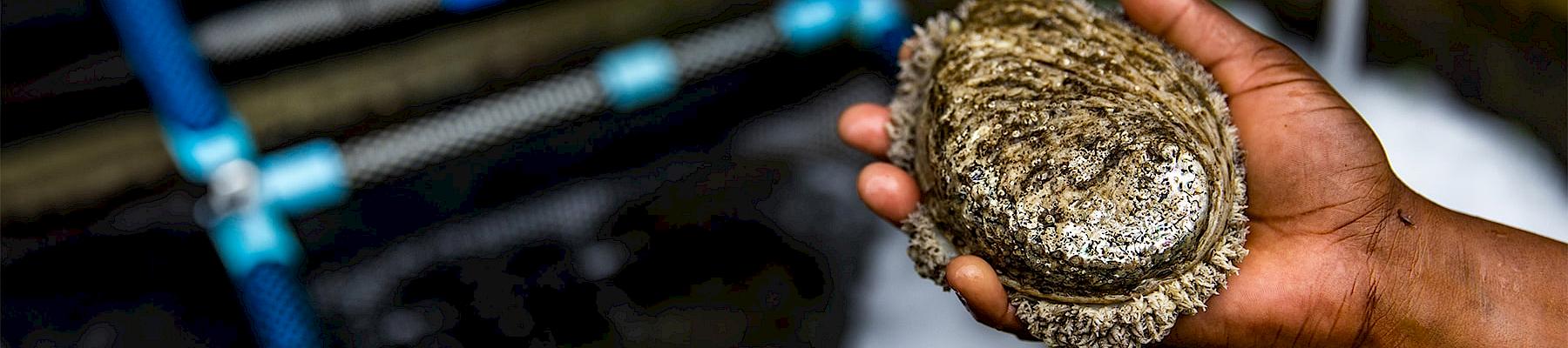
ShellShock explores the state of South Africa’s endemic Abalone Haliotis midae. Decades of poaching and trafficking have driven wild populations towards collapse, fuelling organised crime and deepening poverty in coastal communities.
Despite enforcement efforts, illegal trade remains rampant, with an estimated 67% of abalone exports since 2000 originating from poached stock.
In 2024 alone, 4,000 tonnes of abalone were poached, while legal fisheries saw quotas shrink to historic lows. Criminal networks exploit weak governance and porous borders, laundering abalone through neighbouring countries before shipping to Asian consumer markets.
Previous policy interventions, including a short-lived CITES Appendix III listing, failed to stem the tide.
Recommendations: Yes and No to a CITES Appendix II listing
TRAFFIC supports stronger international trade controls under CITES but not in the form currently proposed. South Africa’s current bid to list dried abalone in Appendix II is inconsistent with the Convention text and risks harming the legal industry.
Instead, TRAFFIC recommends withdrawing the Appendix II proposal and pursuing an Appendix III listing for dried abalone meat only, which would be complemented by South Africa’s new compulsory export specification and Hong Kong’s Organised and Serious Crimes Ordinance. This integrated approach would close laundering loopholes, improve traceability, and strengthen enforcement across the trade chain.
A CITES listing for dried abalone would likely complement South Africa’s domestic trade controls by facilitating stronger enforcement throughout the abalone supply chain. But any listing in the CITES appendices must be carefully considered in close collaboration with all stakeholders to ensure positive outcomes for coastal communities and wild abalone populations.
Oliver Wright, TRAFFIC project officer and author of the reportThe stakes for South Africa’s abalone fishery have never been higher. Without decisive action, wild stocks will continue to decline, and organised crime will thrive.
Read the full report to explore TRAFFIC’s recommendations for a practical, enforceable CITES Abalone listing and discover how collaborative policy solutions can help secure the future of this iconic species.
abalone have been poached since 2000
of poached volumes are seized, leaving criminal syndicates largely untouched
Media Team

ReTTA is a TRAFFIC project aiming to Reduce Trade Threats to Africa’s Wild Species and Ecosystems. The project is funded by Arcadia.
featured in: 非洲 Marine Trade Monitoring Sustainability & Development Collaboration & Policy
TRAFFIC is a registered UK charity, Number 1076722. Company Number 3785518.
Our headquarters are located at TRAFFIC, David Attenborough Building, Pembroke Street, Cambridge, CB2 3QZ
TRAFFIC is a member of the


©2026 TRAFFIC INTERNATIONAL. All rights reserved.
Developed by Ian Kimber at Lakeside Web Services, designed by Marcus Cornthwaite.
We use cookies to enhance the functionality of this website. To learn more about the types of cookies this website uses, see our Cookie Statement. You can accept cookies by clicking the "I accept" button or by cancelling this cookie notice; or you can manage your cookie preferences via "Manage Cookies".
You can opt out of certain types of cookies (e.g. those used in social media sharing) by choosing "I do not accept". The website will still largely function well, but with slightly less functionality in places. To manage your cookie preferences in future, visit the "Cookie Statement" link at the bottom of any page.