Mega-seizure of illegal wildlife trafficked from Cameroon to Nigeria catalyses rapid international action
A sickening discovery - which included 10 gorilla skulls – off the coast of Cameroon is leading to much tighter cross-border collaboration in the fight against organised wildlife crime networks.
Denis Mahonghol, TRAFFIC’s Central Africa Director, joined an emergency meeting with counterparts from the international crime-fighting scene last week, to agree strengthened measures to get ahead of the criminal gangs.
Killing of endangered wild animals, such as gorillas, elephants and pangolins, for smuggling across borders and into the hands of ruthless trafficking gangs is on the rise in West Africa.”
Denis Mahonghol, TRAFFIC’s Central Africa Director“This shocking seizure demonstrates growing wildlife crime between Cameroon and Nigeria, which we must take immediate steps to stop.”

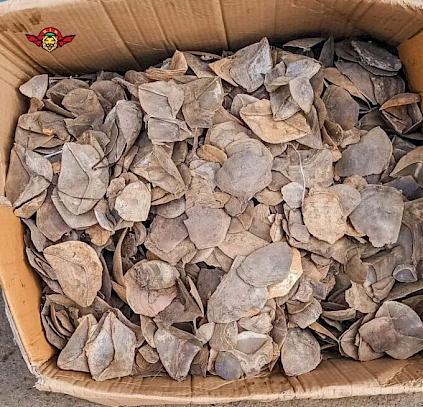
This latest seizure involved 19 ivory tusks, gorilla skulls, heads of protected birds (hornbills, parrots, vultures), vulture feathers, and approximately 50 kg of pangolin scales.
It was carried out by the Cameroon specialised defence unit BIR (Brigade d’Intervention Rapide) at the border between Cameroon and Nigeria in January. Two suspects were arrested and handed over to the gendarmerie, while the seized items were transferred to the Ministry of Forestry and Wildlife (MINFOF) for legal proceedings.
Agencies including TRAFFIC and the UN Office on Drugs and Crime will strengthen collaboration with national law-enforcement bodies to gather and share information on smuggling routes, market monitoring, actors and destinations. This action will feed into the anti-wildlife crime 2024 cooperation agreement between Cameroon and Nigeria.
Mahonghol added: “No one organisation can beat wildlife trafficking alone. TRAFFIC has significant amounts of data and knowledge of wildlife trafficking which we look forward to bringing to the table and sharing with key partners such as UNODC and, of course, government bodies.
“Together we have the skills and expertise to beat organised crime and protect nature.”