
23Fri
Oct
Oct
Sustainable wildlife management partnerships
Hosted by the Collaborative Partnership on Sustainable Wildlife Management (CPW), with TRAFFIC as a partner
Event details ↗
TRAFFIC at CBD CoP17
Under the Armenian Presidency’s theme, “Taking Action for Nature”, CoP17 will focus on accelerating and resourcing implementation as the window for reversing biodiversity loss narrows.
Yerevan, Armenia | 19–30 October 2026CBD CoP17 overview
TRAFFIC provides decision-makers with evidence, technical advice and practical support for the Convention on Biological Diversity (CBD) implementation.
Its 2030 Strategy aligns with the KMGBF vision of living in harmony with nature by advancing legal and sustainable trade in wild species for people and the planet.

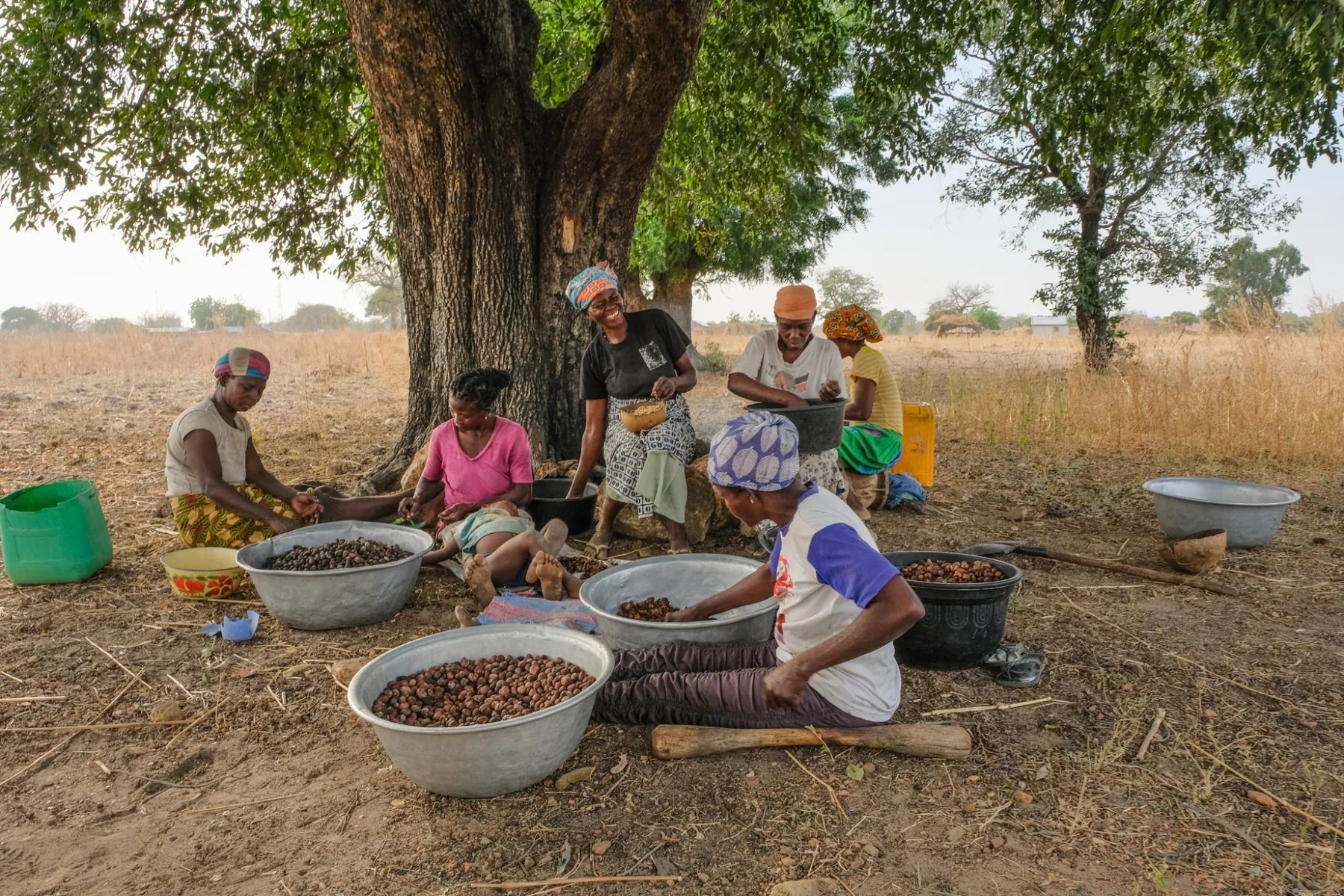
TRAFFIC’s Overview
CoP17 must move beyond restating ambition. TRAFFIC’s asks focus on the finance, indicators, cooperation and implementation systems needed to turn commitments into measurable change.
TRAFFIC'S MISSION
For 50 years, TRAFFIC has been the global leader in researching illegal and unsustainable wildlife trade.
Now, with exploitation of nature in overdrive and causing plummeting levels of biodiversity loss, TRAFFIC is focussing its five decades of data and deep expertise where it can have the greatest impact - supporting governments, private sector, communities to deliver on CBD Targets 5&9.
This is how we make trade in wild species sustainable and legal - a critical part of the solution for a future where people and nature thrive together.
TRAFFIC is using data and technology to generate deeper insights for decision-makers to advance legal and sustainable trade. This approach will help focus attention and resources towards the greatest trade-related risks, as well as the biggest opportunities for people and nature.
This work includes:
Wild Plants that Sustain Lives
Medicinal and aromatic plants sustain health, livelihoods and cultural traditions around the world. Yet rising demand, complex supply chains and unsustainable harvesting are placing many species, and the communities that depend on them, under growing pressure.
Join TRAFFIC and partners at CBD CoP17 to explore how sustainable, legal and traceable trade can help conserve wild plants while supporting Indigenous knowledge, community stewardship and resilient livelihoods. Through films, case studies and discussion, the event will connect practical experience from Nepal, Mexico and South Africa with delivery of the Kunming–Montreal Global Biodiversity Framework, including Targets 5 and 9.
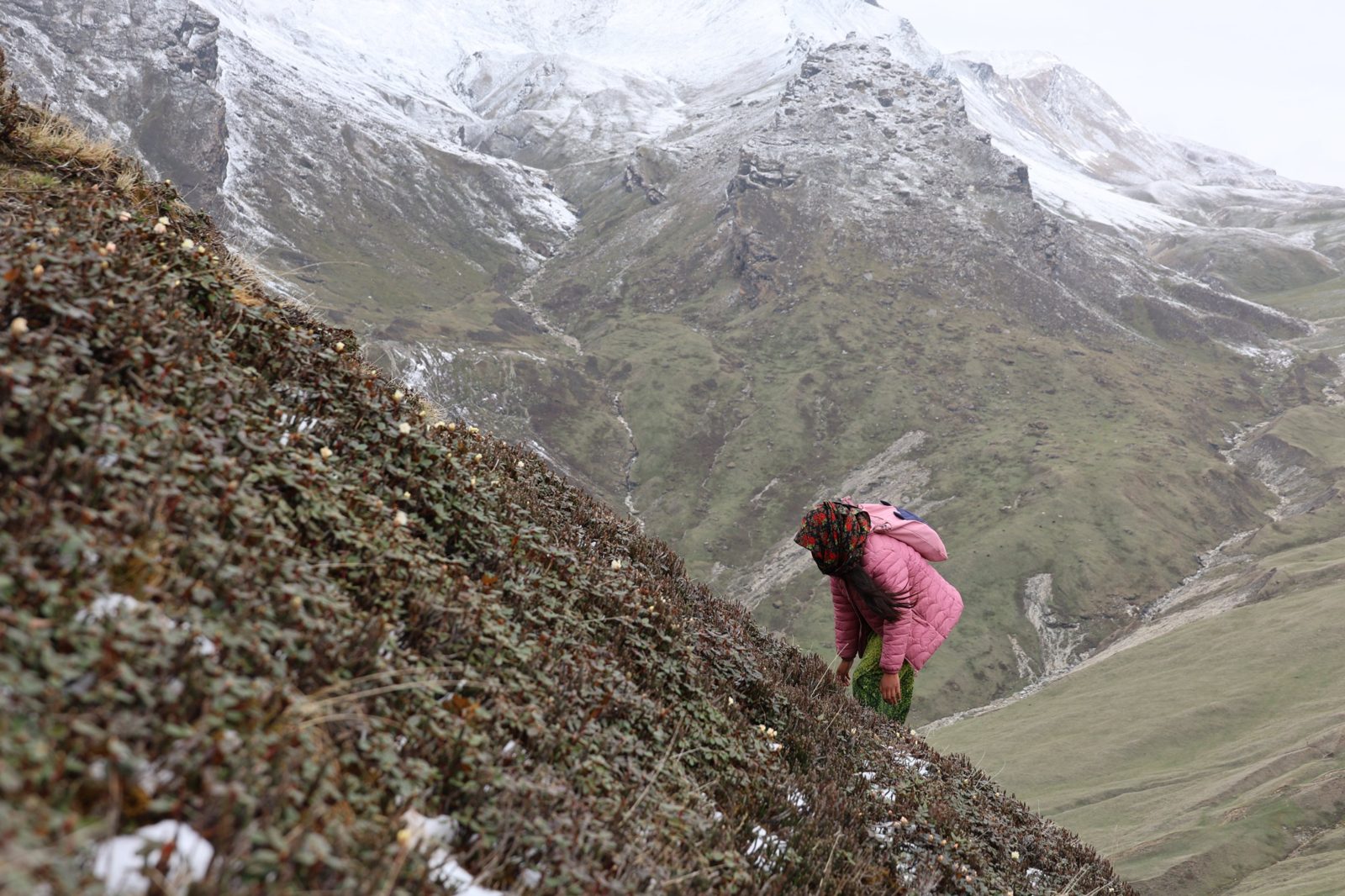 Find out more: Scaling Sustainable Use and Trade of Medicinal and Aromatic Plants for GBF Implementation
Find TRAFFIC at CoP17
Alongside our own side event, TRAFFIC is hosting, partnering or contributing at four more sessions across the conference.
Hosted by the Collaborative Partnership on Sustainable Wildlife Management (CPW), with TRAFFIC as a partner
Event details ↗Session 14, Seventh Science-Policy Forum for Biodiversity & Tenth International Conference on Sustainability Science
Event details ↗Hosted by TRAFFIC
Event details ↗Hosted by the Society for Ecological Restoration, with TRAFFIC contributing
Event details ↗Hosted by TRAFFIC
Event details ↗CoP17 video hub
Eight policy areas
Select a policy area for a concise overview, recommendations and the support TRAFFIC can provide. Expand the technical context only when needed.
Priority policy area
The first global review of collective progress
Agenda Item 9a: Global review of collective progress in KMGBF implementation
CoP17 will conduct the first Global Review of collective KMGBF implementation. The Review is intended to show where progress is being made, where delivery is falling behind and what must change. Reporting gaps and delayed funding currently constrain a robust global baseline.
Resource national delivery.
Bring business into the Review.
Finance action on wild species.
CoP17 will conduct the first Global Review under the CoP16 planning, monitoring, reporting and review decision. The Party-driven process is facilitative, non-intrusive and non-punitive. SBSTTA-28 and SBI-7 considered the global report, seventh national reports and updated NBSAPs.
Progress is stronger on conservation targets than on resource mobilisation, subsidy reform and inclusive governance. Persistent indicator gaps for Targets 5 and 9 weaken the Review’s ability to track and correct implementation.
TRAFFIC urges Parties to agree resourced measures that accelerate NBSAP finalisation and national reporting, resolve identified funding bottlenecks and establish clear biodiversity-finance pathways for wild species trade and enforcement.
Priority policy area
Sustainable use and trade of wild species
Agenda Item 9b: Monitoring framework for the KMGBF
Targets 5 and 9 require evidence on whether harvest and trade are legal, sustainable and safe, how activities affect wild populations and whether benefits reach people and biodiversity. Current indicators do not adequately capture several important dimensions of use and trade.
Adopt usable trade indicators.
Close critical evidence gaps.
Align indicator systems.
Important evidence gaps include terrestrial wildlife use and trade, illegal and online trade, zoonotic risk and the social and economic benefits of sustainable use.
The GEF-funded IN-WILD project, led by IUCN through a nine-member consortium including TRAFFIC, is developing policy-relevant indicators and methods using sources such as online wildlife trade data.
Harmonised approaches across CBD, CITES and CMS can reduce duplicate reporting and improve understanding of cross-convention trends. TRAFFIC can support indicator development, data systems and analytical tools through IN-WILD and related partnerships.
Priority policy area
The Global SWM guidance
Agenda Item 18b: Sustainable Wildlife Management
The draft Global Sustainable Wildlife Management guidance can help translate high-level commitments into practical action. Adoption alone will not be enough. Countries also need finance, complementary guidance and support for implementation.
Fund national uptake.
Close implementation gaps.
Advance sustainable-use evidence.
At CoP16, Parties asked the Executive Secretary and the Collaborative Partnership on Sustainable Wildlife Management, particularly the CMS and CITES Secretariats, to develop voluntary global guidance covering species and management practices.
The gap analysis identified needs in private-sector supply-chain disclosure, One Health integration, transboundary cooperation and predictable finance. These gaps affect visibility of overexploitation risk, zoonotic spillover risk and management of shared populations.
CoP17 should pair adoption with a clear, funded pathway for national uptake. TRAFFIC can support evidence development and implementation through its regional presence, Target 9 indicator work and role in the CPW.
Priority policy area
Marine biodiversity and wildlife trade
Agenda Item 18c: Marine, coastal and island biodiversity
The implementation gap is particularly visible in marine and coastal systems. CoP17 can connect high-seas governance, protected-area quality and the realities of legal and illegal trade across marine supply chains.
Make marine protection effective.
Connect CBD and BBNJ.
Tackle harmful marine trade.
The first Global Review found that marine and coastal ecosystems receive less attention than terrestrial systems. Many reported marine protected areas and other effective area-based conservation measures do not yet meet all Target 3 quality requirements.
The BBNJ Agreement entered into force on 17 January 2026. SBSTTA-28 proposed extending the EBSA Informal Advisory Group and creating a group to align CBD work with BBNJ. CoP17 must establish a clear, non-duplicative interface.
Illegal and unsustainable harvest for international trade drives declines in sharks and rays, sea cucumbers, seahorses, corals and other traded marine taxa. TRAFFIC’s legal-sourcing, market-monitoring, enforcement and traceability tools apply directly to these supply chains.
Priority policy area
Wild plants and fungi in the wildlife trade agenda
Relevant to Targets 5 and 9 and forest and agriculture programmes
Wild plants and fungi support livelihoods, traditional medicine and food security, yet remain underrepresented in trade policy, monitoring and enforcement. CoP17 can help make this hidden harvest visible.
Put plants and fungi on the agenda.
Invest in trade monitoring.
Apply safeguards beyond fauna.
Commercially important roots, mushrooms, lichens and other species face overharvesting and unsustainable trade but receive far less attention than terrestrial fauna.
SBSTTA-28 recommendation 28/4 brings wild plants, fungi and algae within sustainable wildlife management guidance alongside fishing, logging and animal harvesting.
Wild plants and fungi entering commercial supply chains require the same science-based harvest assessments, legality and sustainability safeguards, traceability and market monitoring applied to fauna.
Priority policy area
Business, biodiversity and resource mobilisation
Targets 15 and 19, with direct relevance to wild species trade
Biodiversity loss is a systemic economic and financial risk. For Targets 5 and 9, businesses and investors face risk where wild species use is illegal or unsustainable, while benefit-sharing depends on legal and traceable trade.
Disclose wildlife-trade risk.
Align business and CBD reporting.
Finance legal, sustainable enterprise.
The IPBES Plenary approved its first business and biodiversity assessment in February 2026. It identifies biodiversity loss as a systemic economic and financial risk and highlights persistent gaps in knowledge, monitoring and indicators.
Target 15 implementation, TNFD and ISSB alignment and due-diligence instruments offer an architecture for capturing environmental crime and illegal wildlife trade as enterprise risks.
Reusing species-dependency and sourcing-risk data across corporate assessments, national reporting and Target 19 resource mobilisation can direct finance towards community-based sustainable-use enterprises and connect business data with the Global Review.
Priority policy area
A practical accelerator for KMGBF implementation
Cross-cutting delivery support for Targets 5, 9 and 16
The KMGBF will succeed only if governments, businesses, consumers and communities change behaviour and practice. Social and Behavioural Change approaches make delivery more specific by identifying who must act differently, why and how progress will be measured.
Build behaviour into delivery.
Design for specific audiences.
Strengthen behavioural capacity.
SBC approaches diagnose motivations and barriers, identify who must act differently and design interventions that make biodiversity-positive choices easier and socially reinforced.
Behavioural insight supports legal and sustainable use and trade under Targets 5 and 9 and demand reduction and responsible consumption under Target 16.
Relevant tools include audience research, segmentation, social norms, trusted messengers, incentives, rules, feedback and monitoring. SBC aligns CBD delivery with approaches used across GEF strategies, CITES demand-reduction work, CMS analysis and Conservation Standards practice.
Priority policy area
Cooperation with CITES, CMS and other MEAs
Decision 16/35 and cross-convention delivery
Stronger cooperation among biodiversity-related conventions can reduce duplicated reporting, improve use of national data and make implementation more coherent, while respecting mandates and participation rights.
Harmonise convention indicators.
Reuse national data.
Embed rights and participation.
Decision 16/35 calls for stronger cooperation among biodiversity-related conventions while respecting mandates and ensuring effective participation by Indigenous Peoples and local communities, women and youth.
CITES is aligning its Strategic Vision 2021–2030 with the KMGBF. CMS Decision 14.6 calls for migratory species needs to be integrated into NBSAPs and national targets.
CoP17 should commit to harmonised indicators so one national data-collection effort can support multiple reporting obligations. Whole-of-society and human rights-based approaches should be embedded across resource mobilisation, review and monitoring.
From evidence to implementation
TRAFFIC can help Parties turn decisions into practical action across policy, markets, finance, enforcement and consumption.
For further information, contact TRAFFIC at the David Attenborough Building, Pembroke Street, Cambridge, CB2 3QZ, UK.

TRAFFIC is a registered UK charity, Number 1076722. Company Number 3785518.
Our headquarters are located at TRAFFIC, David Attenborough Building, Pembroke Street, Cambridge, CB2 3QZ
TRAFFIC is a member of the


©2026 TRAFFIC INTERNATIONAL. All rights reserved.
Developed by Ian Kimber at Lakeside Web Services, designed by Marcus Cornthwaite.