Vital online resources available to Eastern Africa wildlife law enforcement agencies
Eastern Africa-TWIX launches a new website to connect wildlife law enforcement from Kenya, Tanzania, and Uganda following the success of a mailing list launched in September 2020.
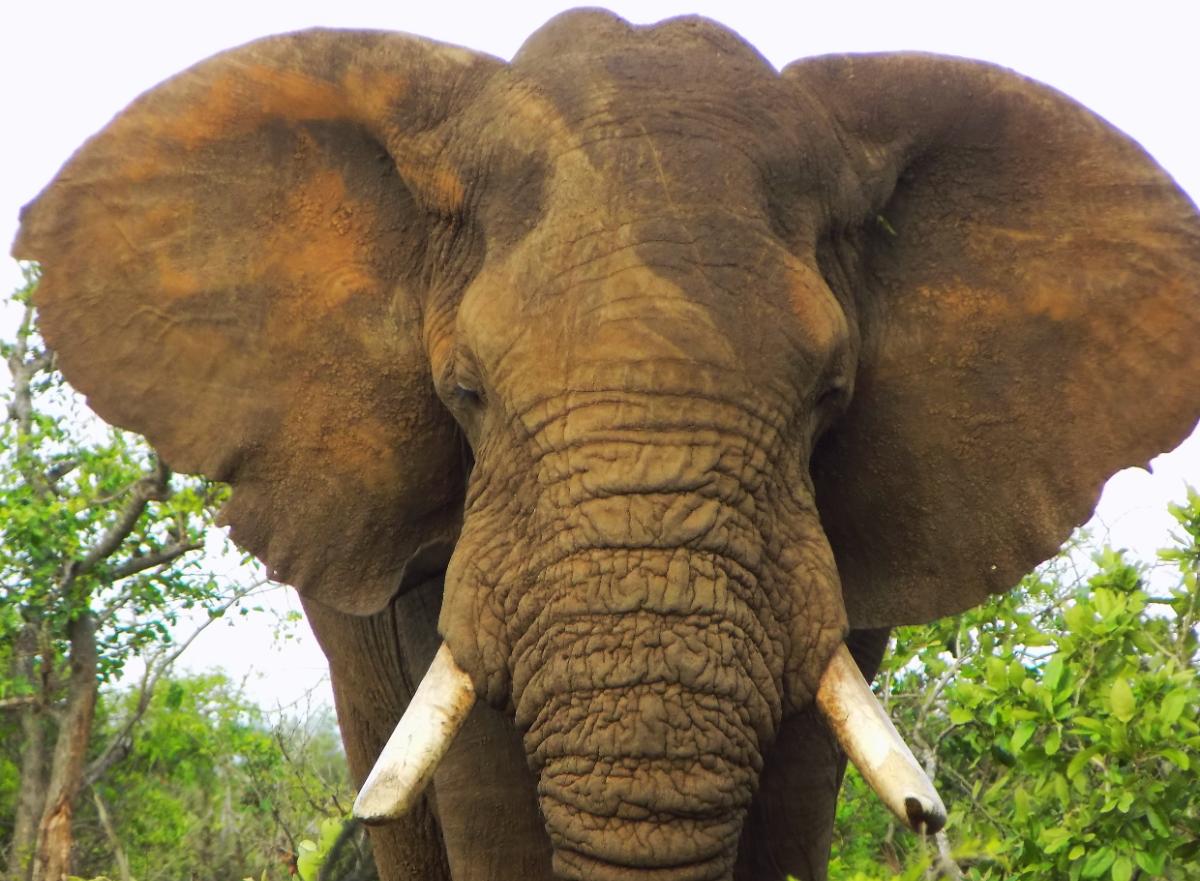
Eastern Africa-TWIX will draw from the experience of operational and successful TWIX systems.
Arusha, Tanzania – On 20th May 2021, close to 30 representatives from wildlife law enforcement and relevant agencies from across East Africa attended the virtual launch of the Eastern Africa-TWIX website. The website provides valuable resource materials such as species identification tools and training materials, such as CITES guidelines, CITES compliance mechanism, crucial for law enforcement.
Eastern Africa-TWIX (Eastern Africa Trade in Wildlife Information eXchange) facilitates the circulation of information and promotes cooperation between law enforcement agencies responsible for combating illegal wildlife trade and implementing the Convention on International Trade in Endangered Species of Wild Fauna and Flora (CITES).
The Eastern Africa-TWIX website is one of the best approaches in wildlife crime prevention.
Jarvis Galole, from Investigation Unit at Kenya Wildlife Service The launch of the Eastern Africa-TWIX website follows the introduction of the mailing list in August 2020. To date, close to 200 officials in Uganda, Tanzania and Kenya have been connected to the Eastern Africa-TWIX mailing list and are entitled to access the website.
“This website means that now TWIX users in East Africa benefit from both the mailing list and the website strengthening regional collaboration in the cracking down on wildlife trafficking,” said Allan Mashalla, the East Africa Regional TWIX Coordinator based in Tanzania.
The website was developed with funding from two USAID-funded projects: Wildlife TRAPS and, Conserving Natural Capital and Enhancing Collaborative Management of Transboundary Resources in East Africa (CONNECT).
Convention on International Trade in Endangered Species of Wild Fauna and Flora (CITES)

The Convention on International Trade in Endangered Species of Wild Fauna and Flora (CITES) was signed on 3 March 1973 and entered into force on 1 July 1975. With 185 Parties (184 countries + the European Union), it remains one of the world's most powerful tools for wildlife conservation through the regulation of international trade in over 41,000 species of wild animals and plants. CITES-listed species are used by people around the world in their daily lives for food, health care, furniture, housing, tourist souvenirs, cosmetics or fashion. CITES seeks to ensure that international trade in such species is sustainable, legal and traceable and contributes to both the livelihoods of the communities that live closest to them and to national economies for a healthy planet and the prosperity of the people in support of the UN Sustainable Development Goals. Find out more here.
About Wildlife TRAPS
The Wildlife TRAPS Project, implemented by TRAFFIC and IUCN with funding support from USAID, is helping to forge cross-sectoral partnerships with government and experts in inter-governmental organisations, NGOs, academia, and the private sector to identify risk mitigation strategies to prevent future zoonotic spillover potential associated with trade in wild animals.
As well as social and behavioural change interventions, the Wildlife TRAPS project is supporting policy and regulatory reform efforts, including strengthening supply chain management systems. The identification of critical control points within wildlife trade supply chains will help target illicit and other high-risk wildlife trade practices that may facilitate the transmission of zoonotic diseases.