the journey towards sustainable trade
Wildlife trade is any sale or exchange of wild animal and plant resources by people. Wildlife trade is an issue at the heart of the tension between biodiversity conservation and human development. Whether for medicine, construction, food or culture, a huge proportion of our trade, economy and way of life is entirely reliant upon wildlife products.
The legal trade in wildlife products is often overshadowed by wildlife crime and illegal trade. It involves thousands of different fauna and flora species, provides a source of income for millions of producers, raw materials for businesses and local collectors, and a staggering array of goods for hundreds of millions of consumers. It plays an undeniably fundamental role in regional, national, and international economies.
€100 billion
estimated value of legal wildlife trade in EU alone
The benefits of legal, responsible, and sustainable wildlife trade are largely going unrecognised. As a result, there has been relatively little attention or investment to ensure that wildlife trade is managed in ways that maintain healthy ecosystems and populations of target species.
A major increase in awareness, political will, and ultimately action on the ground is needed to help ensure the future of species and products at risk through poor management. We work across continents, species, and source and destination markets, to encourage and facilitate the transition towards sustainable wildlife trade. Below is our Theory of Change, mapping how we work to bring about lasting solutions.
protecting species and enhancing the benefits from sustainable, legal trade
sustainable timber trade
Timber is the most widely traded wildlife commodity by both volume and value. However, the path to sustainable timber trade is affected by mismanagement of resources, complicated legality frameworks and illegal logging.
Protecting the world's forests, the species they support and the local economies who rely on the revenue they can generate is of paramount importance when it comes to global conservation and sustainable development efforts. We're working with governments and the timber trade industry to help ensure that logging and timber trade are carried out in a sustainable and legal manner.
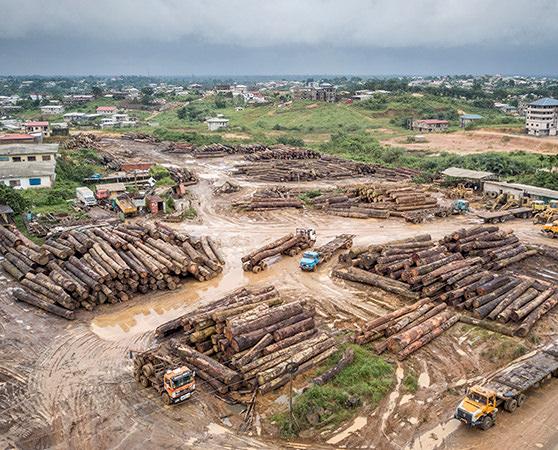
One of several logging dumps along the road to Douala, Cameroon, on the way to the port © A. Walmsley / TRAFFIC
i
sustainable fisheries
Fishing is a primary source of food and income for hundreds of millions of people worldwide. Yet our trade analysis reveals that many fisheries are being dangerously overexploited, placing a huge degree of strain on a broad range of fish and marine species.
Developing traceability systems for marine and other species in trade is the one of the most powerful ways in which we can protect threatened species from overharvesting. Making sure that Customs agencies and businesses know which species are being traded helps to avoid trade in threatened species and identify those which are being overexploited.
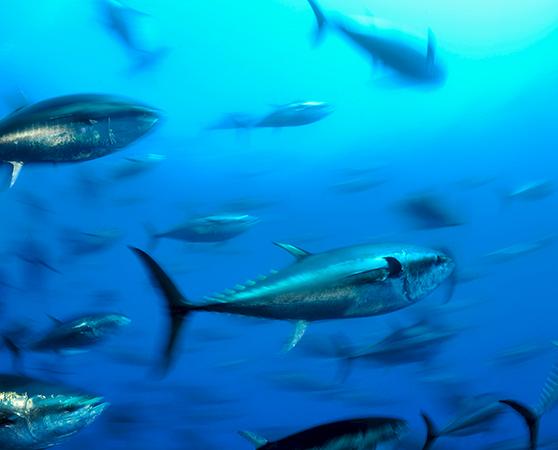
Atlantic bluefin tuna Thunnus thynnus in the Mediterranean © Wild Wonders of Europe / Zankl / WWF
i
sustainable wild collection of plants
Although you can find them as ingredients in thousands of medicinal, health, beauty, food ,and drink products, the trade in wild plants is one of the most under-researched and under-valued areas of legal wildlife trade.
TRAFFIC is a founding partner in the FairWild Foundation, an organisation set up to promote the sustainable and ethical use of wild collected plants. Through best practice guidelines and a certification scheme, FairWild helps ensure businesses operate and trade in wild plant materials sustainably and ethically.
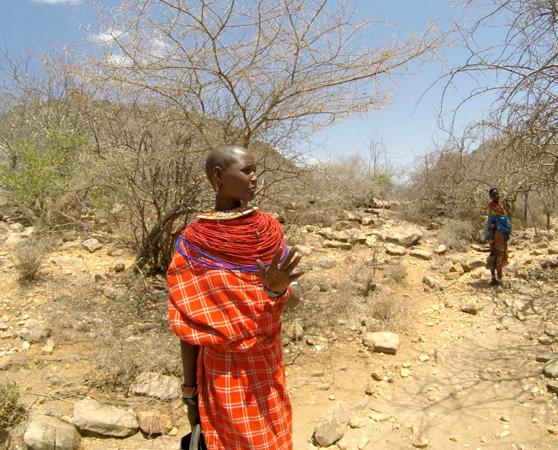
FairWild helped run a project in Kenya working to help local frankincense collectors use sustainable practices and reap the rewards from responsible harvesting © Ackroyd & Harvey / Conflicted Seeds
i
news and materials on legal, sustainable wildlife trade
If wildlife trade isn't managed sustainably, we will continue to see species and ecosystems disappear. Alerting governments to damaging practices, working to create the systems that ensure wildlife is harvested responsibly and encouraging consumers to buy sustainable products are some of today's greatest conservation challenges.


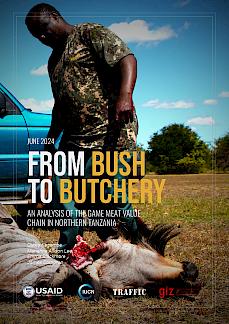
Latest reports related to sustainable wildlife trade
We're always working to ensure wildlife trade is sustainable, legal and ethical, so most of our reports include recommendations to that end. Here are some of the latest reports related to sustainable trade.
Visit our resource library for the full TRAFFIC publication archive.


achieving positive change
A major increase in awareness, political will, and ultimately action on the ground is needed to help ensure the future of species and products at risk through mismanagement and unsustainable harvesting.